 Image 1 of 6
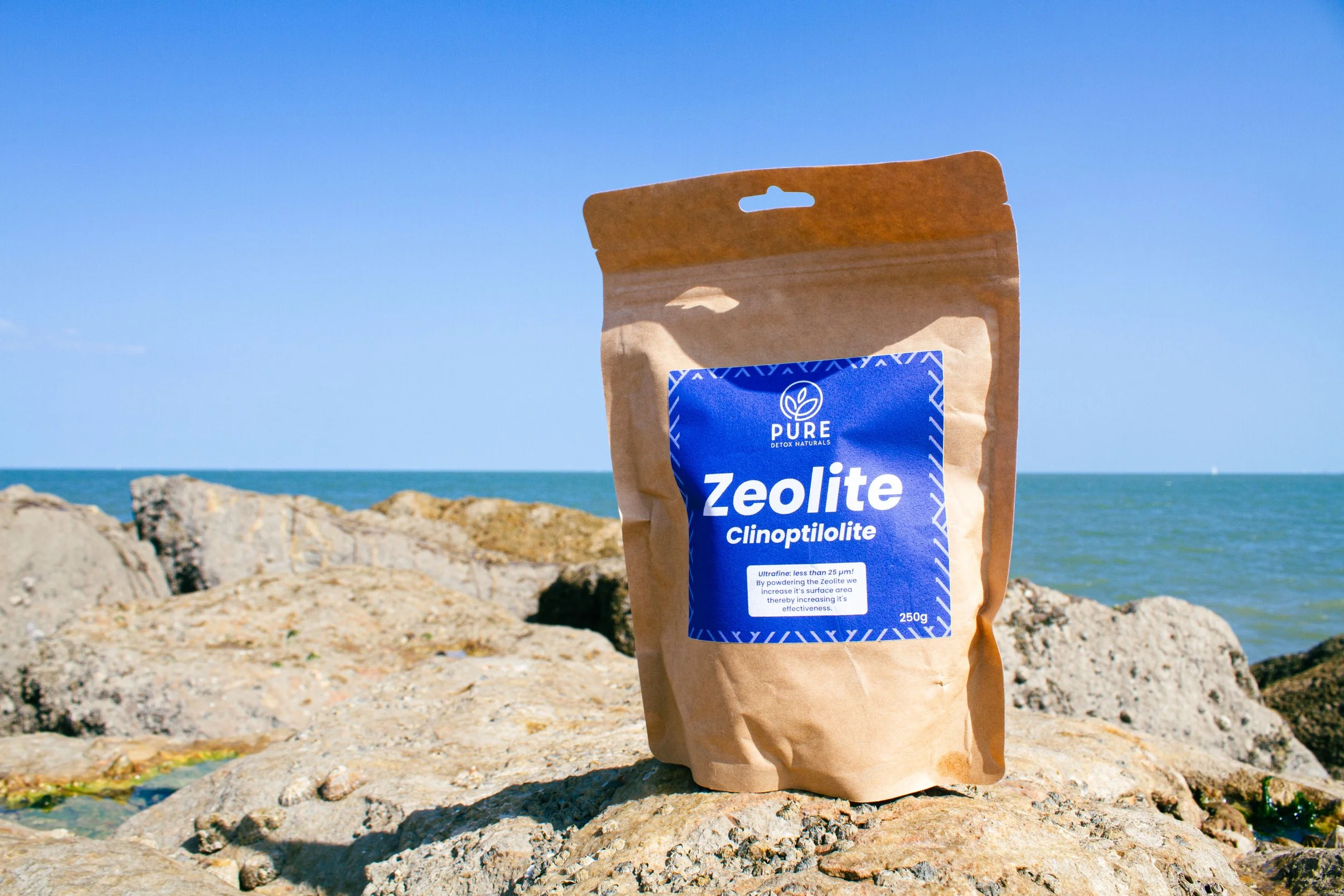 Image 2 of 6
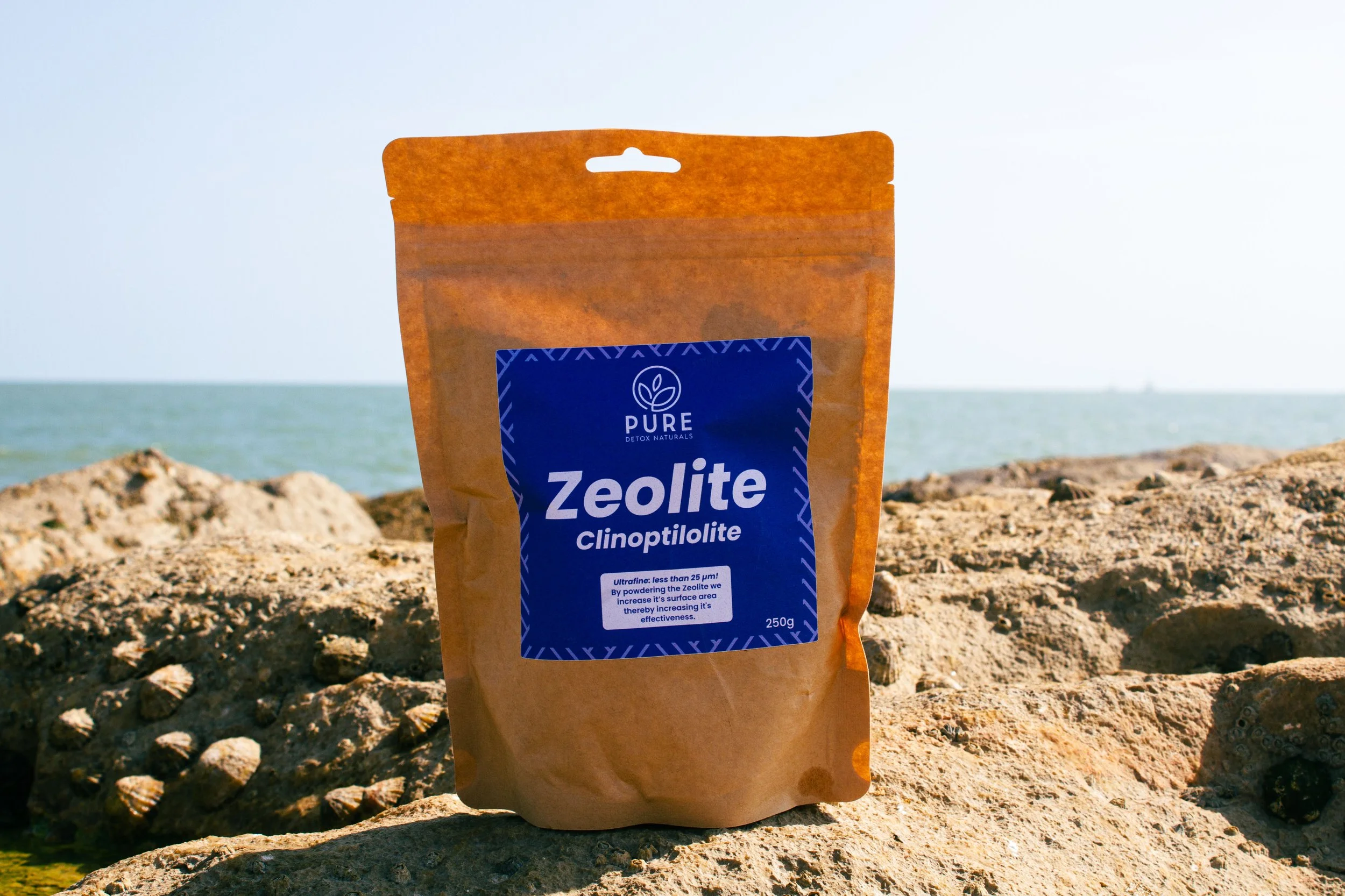 Image 3 of 6
 Image 4 of 6
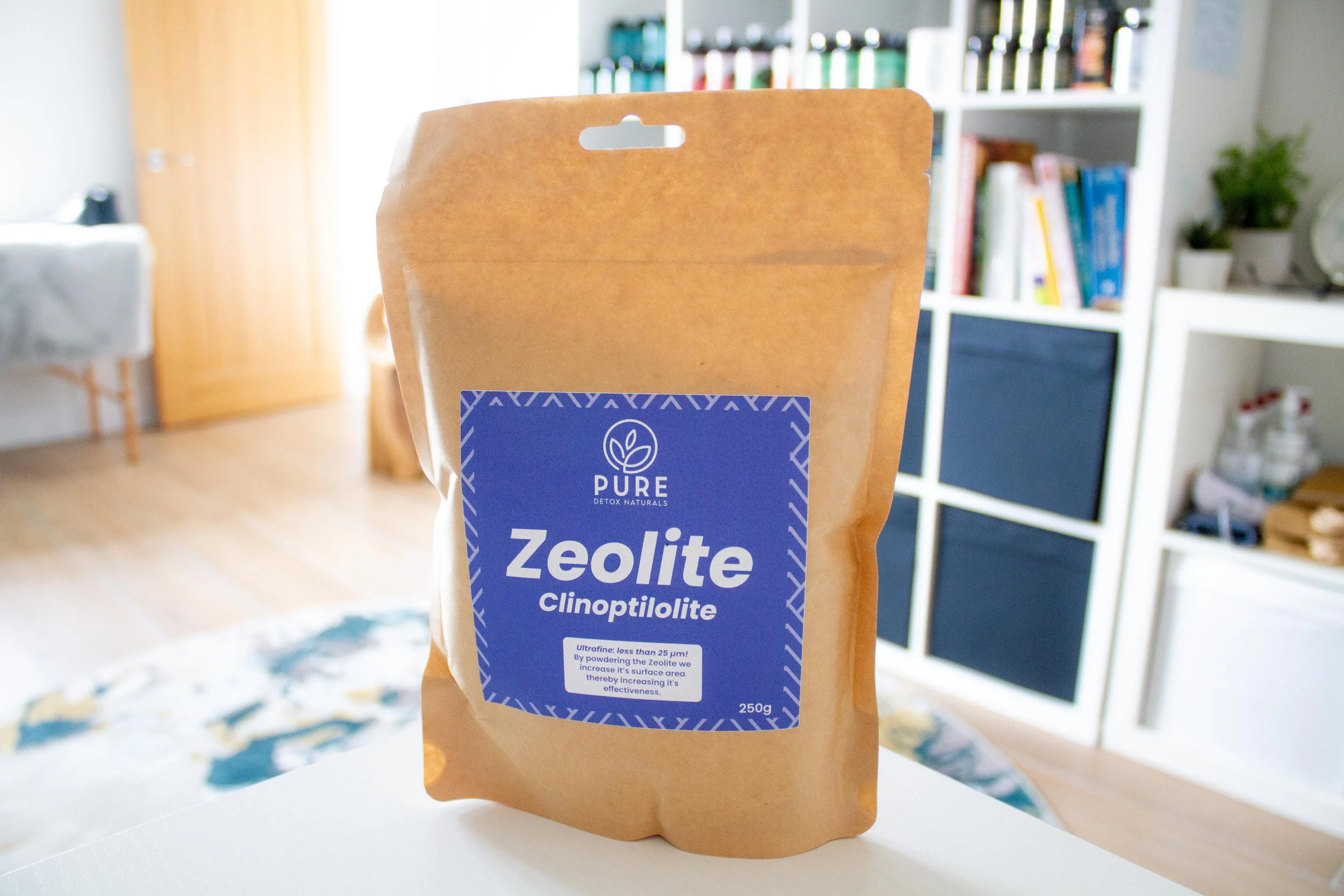 Image 5 of 6
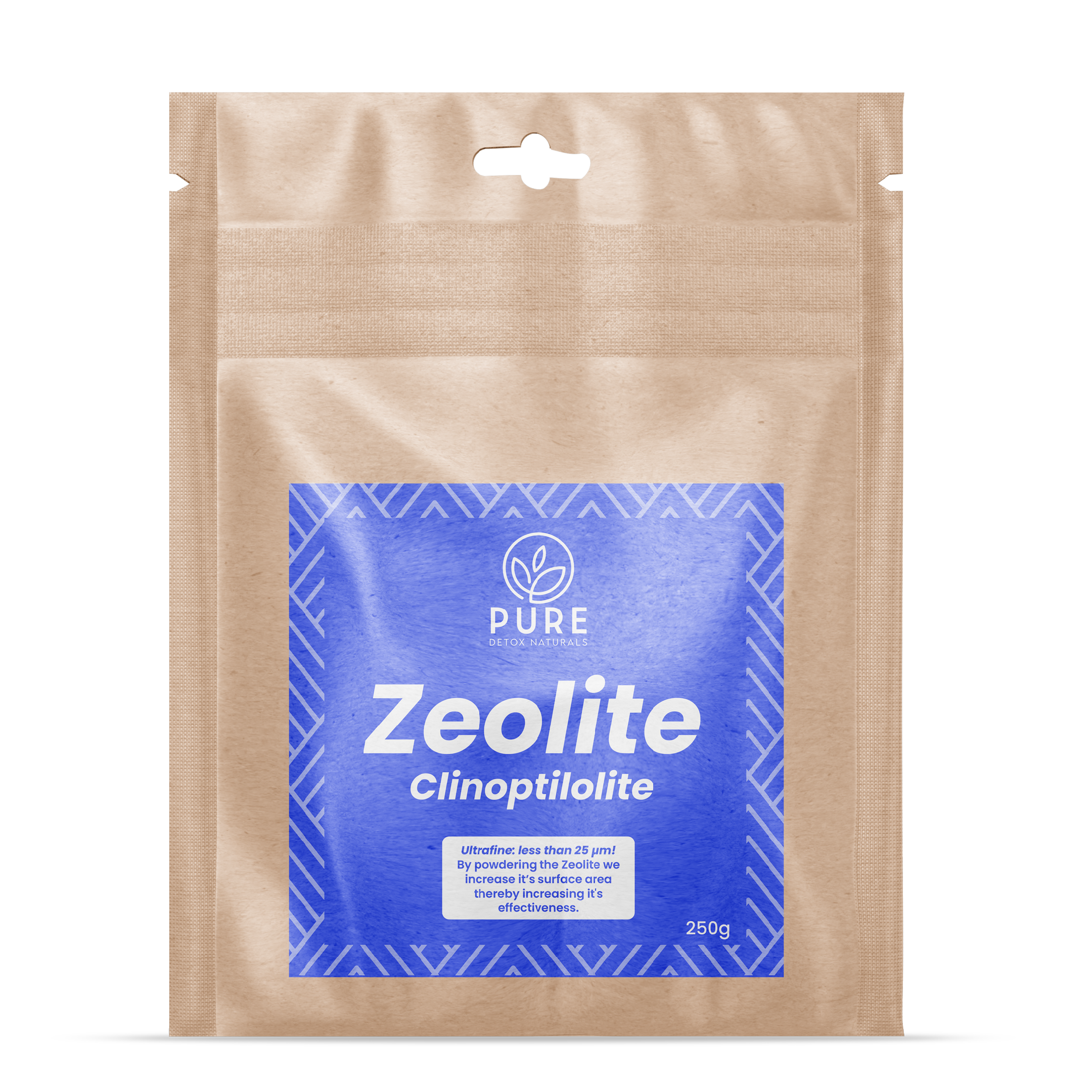 Image 6 of 6
What is Zeolite — and why does its structure matter?
Zeolite is a naturally occurring volcanic mineral — formed over thousands of years when volcanic ash meets alkaline groundwater.
What makes it medically interesting is its structure: a rigid, cage-like crystalline lattice with a strong negative charge.
This charge gives zeolite a selective affinity for positively charged particles — including heavy metals such as lead, mercury, arsenic and cadmium; environmental pollutants; certain mould toxins (mycotoxins); and ammonia.
When zeolite passes through the digestive tract, it traps these compounds within its lattice structure and carries them out of the body in the stool — without being absorbed itself.
Not all zeolite is equal. The form that matters is Clinoptilolite — the variety with the most extensive research background, the most consistent particle size, and the highest ion-exchange capacity.
This is the form used in our formula.
What Zeolite supports in the body
✦ Heavy metal binding — traps lead, mercury, cadmium and arsenic within its crystalline structure for safe elimination
✦ Mycotoxin clearance — binds to certain mould-derived toxins that can accumulate from water-damaged environments or contaminated food
✦ Gut barrier support — emerging research suggests Clinoptilolite supports the integrity of the intestinal lining, relevant for anyone dealing with gut permeability issues
✦ Ammonia reduction — zeolite has an affinity for ammonium ions, which can build up in the gut and affect energy and mental clarity
✦ pH balance — a naturally alkalising mineral, zeolite may support a more balanced gut environment
Note: Zeolite works through direct contact in the digestive tract. It does not enter the bloodstream.
A note from Laura
Zeolite is one of the more nuanced products in this range — it's not a daily supplement for everyone, and I wouldn't market it as such.
It's a targeted tool for specific situations: post-cleanse support, heavy metal exposure, or suspected mycotoxin burden.
If you're uncertain whether it's right for your situation, read the blog post below — I've written a full guide to who benefits from zeolite and when.
As always, if you have a specific health condition, I'd encourage you to discuss supplementation with a qualified practitioner.
— Laura Woodley, Qualified Naturopath
Who this is for
Zeolite is worth considering if:
✦ You've completed a gut cleanse (such as Para-Detox) and want to support the clearance phase — removing what the cleanse has mobilised
✦ You suspect heavy metal exposure through environment, occupation, or diet (certain fish, old pipework, contaminated soil)
✦ You've experienced symptoms associated with mould or water-damaged buildings — fatigue, brain fog, sinus issues, unusual sensitivities
✦ You're supporting your overall detoxification pathways as part of a longer health protocol
✦ You want a clean, unfussy detox support supplement with no laxative effect
What's in the packet
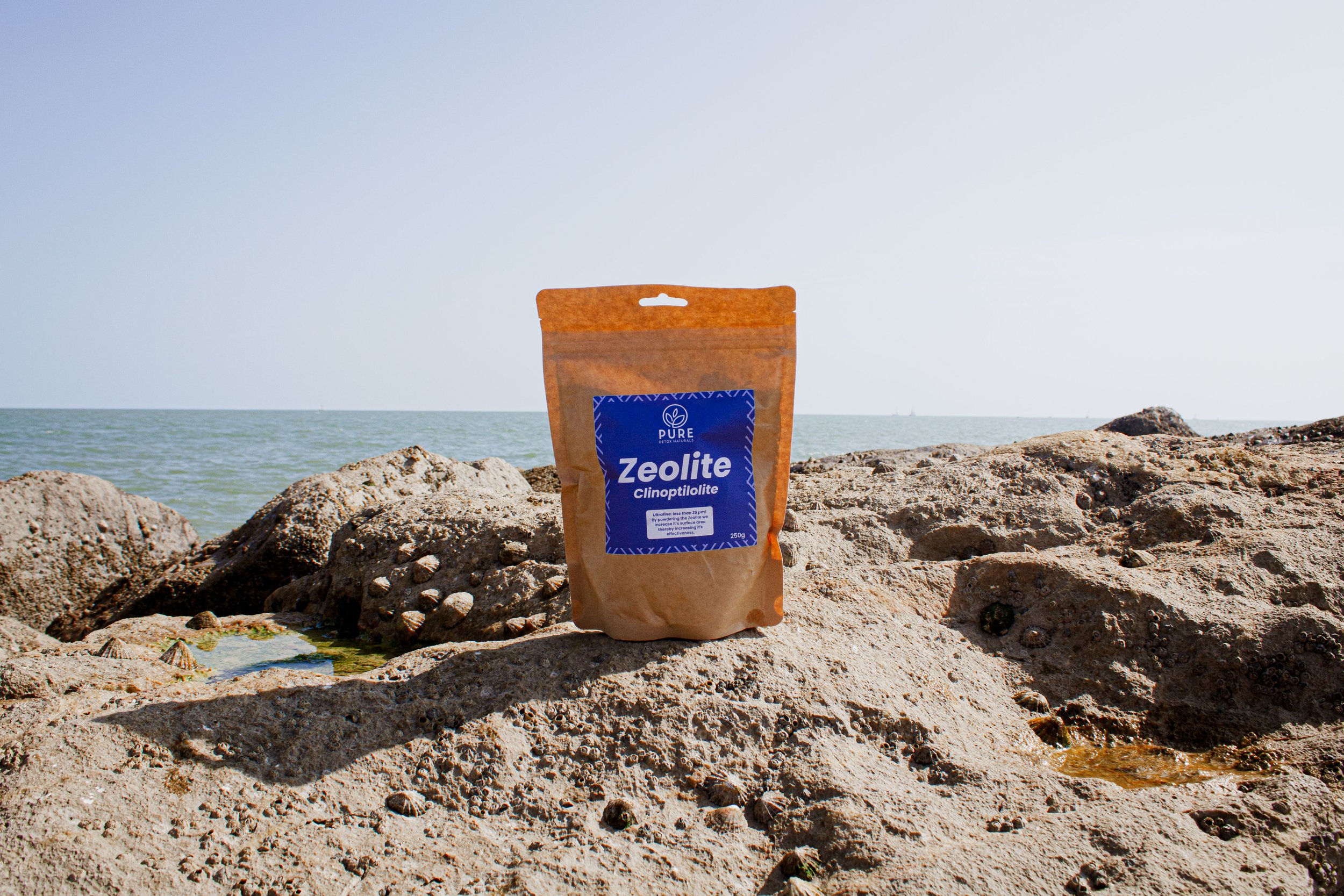
Form: Clinoptilolite Zeolite (most researched and bioavailable form)
No artificial fillers, binders, or additives
Suitable for: Vegans and vegetarians
Made in the UK to GMP standards
Recommended dose: Follow label instructions.
Best taken away from food and other supplements by at least one hour, as zeolite's binding action is non-selective when taken with other nutrients.
Frequently Asked Questions
-
This is an important and valid question. Clinoptilolite zeolite has the highest affinity for heavy metals (lead, mercury, etc.) and lower affinity for essential minerals like calcium and magnesium. However, to minimise any interaction, it's best practice to take zeolite away from meals and other supplements by at least 60 minutes.
-
No. Zeolite, bentonite clay, and diatomite are all naturally occurring minerals, but they have different structures and mechanisms. Clinoptilolite zeolite has the most specific and well-documented research for heavy metal binding and gut support.
-
This depends on the reason for taking it. For a post-cleanse support phase, 4–8 weeks is typical. For ongoing heavy metal or mycotoxin support, longer-term use is appropriate. Laura recommends cycling usage where possible — consult a practitioner for personalised guidance.
-
Yes — many people use Zeolite as a follow-on or alongside Para-Detox. The two products complement each other: Para-Detox works on the gut environment and Para-Detox clears parasitic burden, while Zeolite supports the removal of toxins that may be released during the cleansing process.
-
Clinoptilolite Zeolite has been studied extensively and has a well-established safety profile for human use. It is not absorbed by the body and passes through the digestive tract. As with any supplement, consult your GP if you have a serious health condition or are pregnant.
Not sure if Zeolite is right for you?
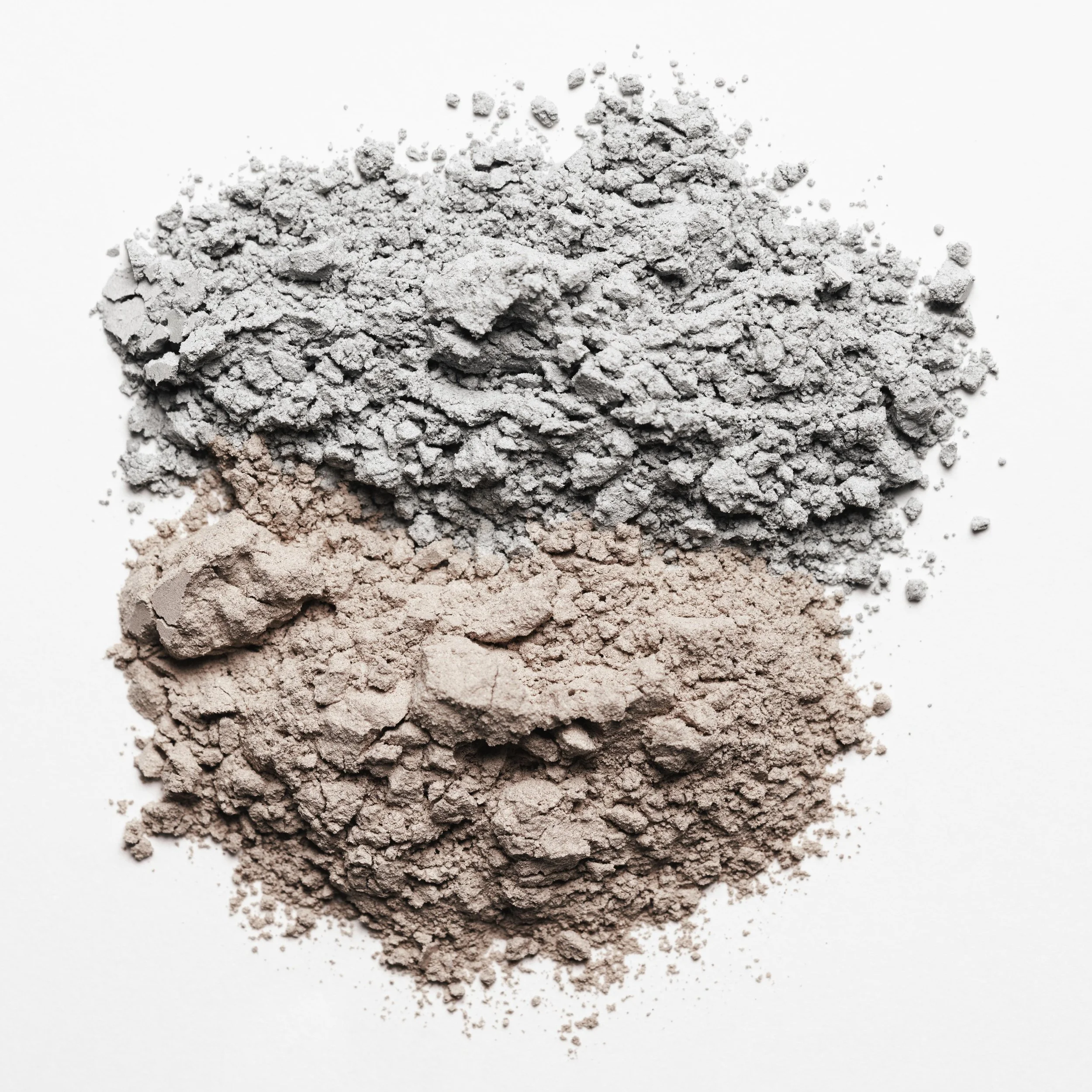
Blog postZeolite is one of nature's most powerful detoxification minerals. Naturopath Laura Woodley explains how it works, who it's for, and what to look for in a quality supplement.